How to Cultivate Inspired Work Without Pressure?

In the landscape of modern work and creative practice, the concept of productivity is often conflated with intensity, urgency, and relentless effort. Yet research and expert insights reveal that the most effective creative productivity does not arise from pressure or force but from conditions that support deep engagement and intrinsic motivation. One such condition is the flow state—a state of focused immersion where challenge and skill are aligned, self-criticism diminishes, and the task itself becomes rewarding. Originally identified by psychologist Mihály Csikszentmihályi, this state allows individuals to achieve high levels of creativity and productivity with a sense of ease and enjoyment. Cultivating such states intentionally, and without pressure, involves structuring your environment, mindset, and habits so that deep focus emerges naturally and becomes sustainable over time.
Understanding Creative Flow and Its Psychological Foundations
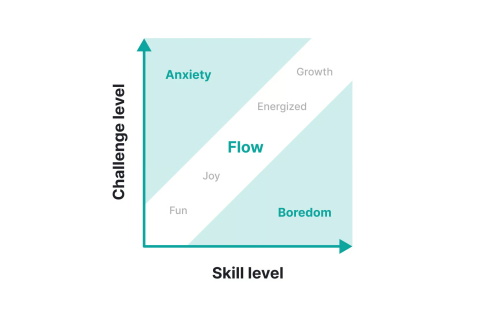
Creative productivity flourishes when the mind operates in a way that feels effortless yet deeply focused. This state, termed flow, is characterized by complete absorption in the task at hand, a merging of action and awareness, and often a distortion in the perception of time. In flow, individuals report heightened creativity, improved performance, and a sense of intrinsic reward that distinguishes this condition from work under stress or pressure. Csikszentmihályi’s foundational research on flow shows that it occurs when challenges are matched with skills, goals are clear, and distractions are minimized—creating an optimal intersection between challenge and capability.
Psychological studies demonstrate that flow enhances both productivity and creativity. Individuals in flow states often experience greater cognitive flexibility and are able to generate unique ideas and solutions because they are fully engaged and free from intrusive self-criticism. Research also indicates that activities which induce flow correlate with improved job satisfaction and heightened motivation, as the brain’s reward systems are engaged, increasing intrinsic motivation without the need for external pressure. [1]
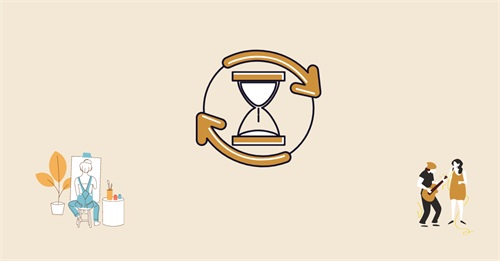
Stress, by contrast, has a documented negative impact on creative performance. Studies examining the role of stress on creativity show that stress hormones such as cortisol can reduce cognitive flexibility—a key component of divergent thinking crucial to creative output. In high-pressure environments, this reduction in cognitive flexibility limits the capacity for innovative ideation and can hinder creative productivity. Reducing stress therefore is not merely a comfort measure; it directly supports the mental conditions that facilitate creative problem solving and idea generation.
While flow is beneficial, achieving it is not necessarily automatic. Research emphasizes that flow is sensitive to environmental and psychological conditions. Internal distractions, fragmented attention from multitasking, and lack of clear goals can disrupt the cognitive coherence needed for flow. A deep work environment, free from unnecessary interruptions, and tasks that are properly calibrated in terms of challenge and skill, are shown to make flow more accessible. [2]
Neuroscientific perspectives further articulate that flow involves reduced activity in the prefrontal cortex—the region associated with self-monitoring and critical self-evaluation—thereby allowing intuitive and associative processes to flourish. This neurological shift supports creative breakthroughs and spontaneous idea formation that feel effortless rather than forced.
In practical terms, understanding the psychological and neurological foundations of flow underscores why creative productivity free of pressure requires conditions that support sustained engagement rather than conditions that induce stress or performance anxiety. It suggests that creativity is not exclusively a product of exertion but of well-supported engagement.
Practical Strategies for Cultivating Creative, Low-Pressure Productivity
Creating an environment and routines that support flow begins with intentional structuring of your work conditions. One of the most impactful changes is minimizing interruptions and fostering a deep work mindset. Research highlights that when individuals focus on one task at a time without external distractions—such as notifications or context switching—the brain can maintain higher levels of sustained attention, leading to improved task quality and creative output.
Goal setting is another fundamental strategy. Clear and achievable goals provide direction and immediate feedback, which are essential triggers for flow. When you know what you are working toward and can see progress, your attention remains anchored in the present task, reducing internal pressure and enhancing immersion. [3]
Mindfulness practices are also effective for cultivating a mental environment conducive to creative productivity without stress. Techniques such as meditation and focused breathing help clear mental clutter, reduce anxiety, and train attention—making it easier to remain present and engaged with creative tasks. These practices create a psychological state that supports deep focus rather than reactive stress responses. Regular mindfulness is associated with improved concentration and a greater ability to enter and sustain flow during creative work.
External environmental design plays a supporting role as well. Creating a workspace that is comfortable, well-organized, and free of unnecessary sensory distractions enables the mind to settle into focused work more readily. Environmental factors like lighting, seating comfort, and sound management all contribute to minimizing cognitive load from extraneous stimuli, allowing more mental resources to be devoted to the creative task itself. [4]
The nature of the task itself also matters. Choosing tasks that match your skill level—challenging enough to engage but not so difficult that they induce anxiety—supports what researchers call the Goldilocks zone of task design. When tasks are too easy, boredom undermines flow; when too difficult, stress interferes with productive engagement. Balancing challenge and skill is therefore key to nurturing creative productivity without pressure.

Physical movement and breaks are further strategies that indirectly enhance creative flow. Regular movement increases blood flow to the brain and can reduce the build-up of stress hormones, thereby enhancing cognitive flexibility and reducing mental fatigue. Walking, stretching, or brief physical activities can serve as resets that help maintain creative momentum.
Intrinsic motivation—engaging in tasks that are personally meaningful rather than solely driven by external rewards—also supports low-pressure creativity. When motivation comes from within, the task itself feels rewarding, which aligns with the core characteristic of flow: the activity becomes its own reward. Seeking creative tasks that resonate with your personal interests and values increases the likelihood of sustained engagement without pressure.
Finally, cultivating routines and habits that signal readiness for creative work can train your cognitive systems to enter flow more reliably. Pre-work rituals, consistent scheduling of deep work blocks, and clear transitions into creative time all serve as psychological cues that prepare the mind for focused, pressure-free creative engagement.
Sources:
[1]: https://flowstateengaged.com/unlocking-the-power-of-csikszentmihalyis-flow-state
[2]: https://allgoodhealth.net/cognitive-goals/creativity/unlocking-creative-flow-techniques-to-keep-ideas-flowing-effortlessly
[3]: https://medium.com/design-bootcamp/the-zone-the-secret-to-tap-into-the-power-of-flow-state-for-increased-productivity-%EF%B8%8Fand-746579c6ae47
[4]: https://theword360.com/2025/06/13/the-neuroscience-behind-flow-states-and-productivity
References:
https://www.atlassian.com/blog/productivity/brain-flow-state
https://www.sciencedirect.com/science/article/abs/pii/S1871187124000592
https://www.houseofflow.org/understanding-creative-flow
RECOMMEND FO YOU