The Language of Personal Productivity That Adapts to Every Context
Creating a personal productivity language that works everywhere is fundamentally about developing a framework you understand, trust, and can apply consistently across contexts. Whether you’re managing work tasks, personal goals, or long-term ambitions, the strength of your productivity language lies not in mimicking someone else’s system perfectly but in building one that reflects your preferences, rhythms, and cognitive patterns. The most compelling productivity frameworks—from Getting Things Done (GTD) to time management techniques like timeblocking and the Pomodoro Technique—offer structured ways to capture, organize, plan, and execute your tasks in ways that minimize friction and amplify focus.
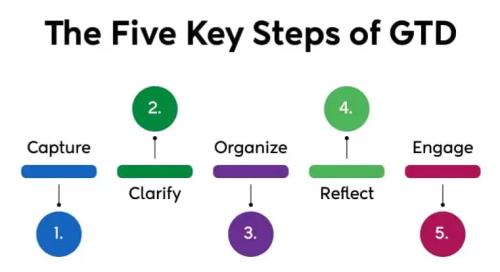
At its core, a personal productivity language starts with clarity: clarity about what needs to be done, why it matters, and how you will approach it. Established frameworks like GTD emphasize the importance of capturing everything that demands your attention, clarifying actionable next steps, and organizing these items into an external system so your mind is freed from trying to remember everything. This conceptual model—that externalizing your commitments and structuring them into a reliable system reduces stress and improves execution—is as applicable to professional project management as it is to personal goal-setting.
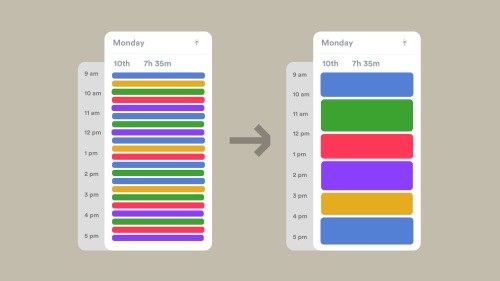
Likewise, techniques such as timeblocking encourage you to treat your calendar not just as a schedule but as a language for allocating your attention. By assigning specific time segments to tasks and themes—such as deep work, administrative responsibilities, or personal development—you create a consistent pattern that communicates what matters and when it gets done. Timeblocking, in its most disciplined form, does more than schedule time; it forces intentional tradeoffs. When you define a time block for a high-priority task, you implicitly decide what you will not do in that same interval, which helps reduce multitasking and distractions.
The Pomodoro Technique, with its idea of working in focused intervals with short breaks, adds another dimension to a productivity language: rhythm. By segmenting work into discrete, timed units, you communicate to yourself when to engage deeply and when to disengage to recharge. These rhythms translate across environments—from office desks to home workspaces, from solo projects to team collaborations—because they align with fundamental cognitive processes like attention and fatigue management.
Principles for Designing a Personal Productivity Language
When you set out to build a productivity language that is truly yours, begin with foundational principles that can unify the diverse techniques you might borrow from existing systems. One such principle is capture and organization. This means creating a trusted place—whether digital or analog—where all insights, tasks, obligations, and ideas are recorded. The act of capturing everything externalizes your mental load and allows you to focus on execution rather than memorization. A clear capture process acts as the first rule of your productivity language: “If it isn’t captured, it doesn’t exist yet.” [1]
Another principle is intentional time allocation. Whether through timeblocking, timeboxing, or Pomodoro intervals, you define how your time is spent instead of letting your tasks define it for you. Intentional time allocation includes structuring blocks of uninterrupted focus but also embedding breaks and reflective pauses—which are essential for mental recovery and creative thought. Over time, this principle becomes a grammar of your productivity language: consistent blocks of focused effort interspersed with evaluative pauses become the syntax of your workflow.
A third principle is feedback and refinement. Even the most thoughtfully constructed systems will fail to serve you if they stagnate. Regularly reviewing what you’ve accomplished, how your system supported (or hindered) that progress, and where adjustments are needed turns your productivity language into a living one—one that evolves as your circumstances, goals, and responsibilities change. Creating checkpoints like daily reviews, weekly retrospectives, or quarterly evaluations embeds an iterative quality into your productivity language, ensuring it remains dynamic rather than static. [2]
Underlying each of these principles is the idea that a productivity language is both symbolic and functional: it uses symbols (tasks, time blocks, lists, priorities) to communicate meaning to your rational mind while also supporting automated behaviors and habits. Combined, these elements form a semantic structure that translates your intentions into consistent action.
Applying Your Personal Productivity Language in Everyday Life
Once you’ve defined the core principles of your productivity language, apply it consistently across the life domains where you seek effectiveness—professional work, personal growth, household management, learning, and health. Begin each day not with a generic to-do list but with an alignment of tasks according to your productivity language. For example, rather than arbitrarily choosing tasks, start by reviewing captured items and assigning them to calendar blocks that reflect your priorities for that day. Use your chosen interval technique (like Pomodoro or timeboxing) during those blocks to maintain deep focus. Throughout the day, treat your language’s elements—tasks, time blocks, routines—as signals that guide execution and signal completion.
Incorporating routines and habits into this structure further enhances consistency and minimizes decision fatigue. A morning routine anchored to your productivity language might begin with reviewing your calendar and identifying top priorities according to your core principles. Similarly, an evening routine could include a reflection on what was completed, what shifted, and how your system should adapt. Routines, when based on a clear productivity language, become cues that reinforce execution habits. [3]
A productivity language also extends to periods of review. A weekly review session, for example, should not only list what you accomplished but also evaluate how your system performed. Did your time allocations align with your energy rhythms? Did your capture process reliably funnel important work into execution? Did any backlog items languish due to unclear definitions or lack of priority? Asking these questions in the terms of your own productivity language turns reflection into refinement.
Moreover, adaptability is a key characteristic of a robust productivity language. As your goals evolve—whether you take on a new professional role, pursue further education, or care for family responsibilities—your productivity language should accommodate those shifts without requiring a complete overhaul. The principles you define should be broad enough to apply across tasks and contexts but specific enough to guide actionable decision-making.
In practice, this means resisting the temptation to overly complicate your system with every new tool or technique you encounter. While external tools—digital planners, calendars, habit trackers—can support your productivity language, the language itself should remain tool-agnostic. A well-designed productivity language translates readily across tools because it is based on consistent principles rather than tool-specific features. [4]

Ultimately, a personal productivity language is not a rigid set of rules or a fixed checklist. It is a coherent structure that reflects your priorities, cognitive preferences, and patterns of attention. By grounding your system in shared principles like capture, intentional time allocation, and iterative refinement, and by applying that system consistently across the different areas of your life, you create a versatile and sustainable framework. Over time, this language becomes second nature, enabling you to approach any context—professional tasks, personal projects, or creative endeavors—with clarity, focus, and purpose.
Sources:
[1]: https://zerocrew.ai/lab/focusninja
[2]: https://www.zorga.io/personal-productivity-system
[3]: https://hogonext.com/how-to-create-a-personalized-productivity-system
[4]: https://paperlessmovement.com/articles/how-busy-professionals-can-build-one-productivity-system-that-works-across-all-tools
RECOMMEND FO YOU