Strategies for Focus and Productivity on the Move

In a world where traditional work structures are rapidly evolving, the phenomenon of digital nomadism offers powerful insights into how individuals maintain focus and productivity while continually on the move. Digital nomads are professionals who leverage digital technologies to work remotely from locations around the globe, blending travel with professional responsibilities in ways that challenge conventional notions of work and routine. Rather than being impeded by constant change, many nomads have developed effective strategies to preserve concentration, meet deadlines, and sustain professional momentum despite shifting time zones, unfamiliar environments, and limited predictability in their daily lives. Their experiences provide valuable lessons not only for those who choose a nomadic lifestyle, but also for anyone looking to sharpen focus in an increasingly mobile and flexible work landscape. Lessons from nomads emphasize adaptability and intentional structure, showing that focus on the move is less about clinging to a fixed routine and more about designing portable systems that support deep work and meaningful engagement wherever you are. These strategies—ranging from establishing consistent work practices to creating environments that facilitate concentration—offer a framework for approaching productivity in both traditional and non-traditional work settings. Research and practical guidance from seasoned nomads underscore how purposeful habits and disciplined routines can make sustained focus possible, even amidst the fluidity of life on the road.
Focus Through Intentional Choice and Discipline
Global nomads—individuals who work and travel simultaneously, often crossing borders while maintaining professional productivity—embody a distinct mindset that is instructive for anyone seeking to sustain focus on the move. In contrast to traditional work paradigms, where stability and routine are givens, nomads operate in conditions defined by change and unpredictability. Digital nomadism is characterized by the integration of work and travel facilitated by digital technologies and flexible employment arrangements. These professionals are not merely tourists; they are mobile workers who live, travel, and complete their work from a variety of locations around the world, relying on internet connectivity and portable tools to conduct their tasks wherever they are located.
This lifestyle emphasizes a paradox: while it offers unparalleled freedom and autonomy, it simultaneously demands high levels of self-discipline to manage work and travel effectively. Research into nomadic practices suggests that digital nomads do not simply drift through their journeys; they intentionally structure their environments and routines to support both their professional responsibilities and their lifestyle aspirations. The freedom that is often celebrated in nomadic discussions is not simply a lack of constraints, but rather a different set of constraints—self-imposed and self-managed—to preserve productivity amidst constant change.
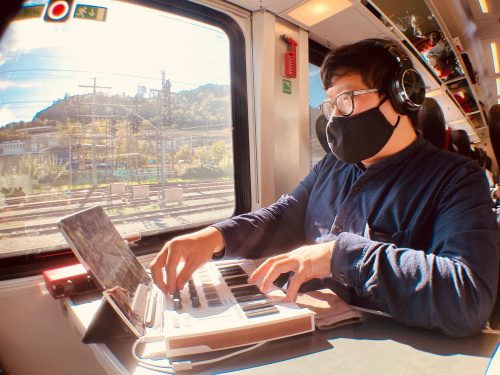
Discipline and intentional choice are foundational to this mindset. Unlike the traditional office worker who relies on external structure—set work hours, a consistent location, and enforced routines—nomads must create their own structure. They continually adapt to new workspaces, from co-working spaces in foreign cities to cafés with reliable internet, and adjust their workflows based on local conditions. Rather than viewing travel as a distraction, nomads integrate it into their professional rhythms, designing flexible schedules that respect both work and exploration. The key insight here is that focus on the move does not mean rigid adherence to a fixed plan; it means developing adaptable systems that preserve attention without stifling mobility.
At the heart of the nomadic mindset is the understanding that focus is a cultivated state, not a naturally occurring condition tied to familiar environments. Nomads intentionally seek out workspaces that support concentration, and they experiment with different productivity techniques—such as time blocking or selecting a “daily highlight”—to anchor their work despite shifting contexts. These strategies align tasks with peak energy periods and help prioritize meaningful work, making every day productive even when the external environment is in flux. [1]
This mindset also calls for a reframing of how work and life are balanced. Instead of separating “work time” from “travel time,” nomads often weave them together, creating routines that are sensitive to both professional objectives and the benefits of exploration. This blending requires deliberate practices that uphold professional commitments while honoring the nomadic value of experience. The ability to define your own boundaries—when work begins and ends, which tasks receive attention, and how travel itself contributes to creative energy—becomes a form of focus training that transcends physical location.
Practical Practices and Nomadic Strategies
Nomads teach us that maintaining productivity while moving depends on both mindset and practical methods tailored to uncertainty and mobility. One of the most effective practices among experienced nomads is the establishment of a flexible yet intentional routine. Although the term “routine” might bring to mind rigid schedules, nomadic routines are better understood as adaptable frameworks that support work without sacrificing flexibility. These frameworks often revolve around priorities rather than strict time slots, enabling professionals to manage their essential tasks within the fluidity of travel life.

The Daily Highlight method illustrates this approach: each day, a nomad chooses one key task that will define productivity for that period, prioritizing it above all others. This focus on one central accomplishment helps maintain momentum even when travel-related disruptions occur. It also ensures that progress happens incrementally, reinforcing a sense of achievement that fuels continued engagement. This focus strategy mirrors advice from broader remote work research, which highlights the importance of setting clear objectives and resisting multitasking in favor of deep work on priority tasks.
Nomads also leverage their surroundings strategically. Instead of viewing a café or airport lounge as obstacles to productivity, they scout environments conducive to concentration. Many report that co-working spaces, for example, serve as productivity anchors: by providing consistent infrastructure—quiet zones, reliable internet, and a community of peers—these spaces help create a predictable work zone in otherwise unstable conditions. This mirrors trends observed in digital nomad research where co-living and co-working hubs are key components of sustaining work during travel, addressing both productivity and social needs that can otherwise impact focus.
Another practical strategy is managing energy rather than time. Nomads often pay close attention to their energy levels and plan tasks accordingly. They might allocate demanding, creative projects to periods when they feel most alert and reserve lighter tasks for times of low energy or travel transitions. This approach recognizes that human focus fluctuates, particularly amid travel stressors like jet lag, climate changes, or shifting sleep patterns. Adapting workflows to match these rhythms allows nomads to preserve focus strategically instead of forcing productivity at unsustainable times.
Successfully working on the move also involves minimizing distractions inherent to new environments. Nomads employ various techniques—from digital tools that block distracting websites to setting clear, communicated work hours—to carve out uninterrupted focus time. They establish boundaries with travel companions and local communities to signal when they are in work mode, just as traditional office workers rely on physical cues like an office door or desk. These boundary-setting practices illustrate that focus in nomadic contexts is not accidental but actively constructed through deliberate choices and routines. [3]

Nomads also emphasize the value of slow travel—staying longer in one location—to build a sense of stability that supports deeper focus. While the appeal of constantly hopping between destinations is strong, many nomads find that staying in a place for a month or more creates a rhythm that enhances both well-being and productivity. Longer stays allow individuals to settle into local routines, discover reliable workspaces, and cultivate a sense of familiarity that reduces cognitive load and frees up mental resources for focused work. These experiential adjustments provide a nuanced view of how nomads balance mobility with concentration, demonstrating that focused productivity can coexist with exploration.
Finally, prioritizing wellbeing practices such as adequate sleep, exercise, and self-care are essential to a nomad’s ability to sustain focus. Travel can be exciting, but it also introduces stressors that undermine concentration—jet lag, irregular meals, and unfamiliar environments can deplete mental energy. By integrating habits that enhance physical and mental resilience, nomads preserve the cognitive capacity required for deep work while on the move. These holistic approaches to productivity align with broader remote work guidance that underscores the importance of wellbeing as a foundation for sustained focus. [4]
Sources:
[1]: https://globalwealthprotection.com/balancing-work-travel-productivity-tips-nomads
[2]: https://www.mdpi.com/2071-1050/17/5/1906
[3]: https://aicontentfy.com/en/blog/reality-of-digital-nomad-work-insider-tips-and-advice-from-experienced-nomads-1
[4]: https://www.remotepass.com/blog/remote-work-tips-for-digital-nomads
Reference:
https://etrr.springeropen.com/articles/10.1186/s12544-024-00663-z
RECOMMEND FO YOU