Travel Changes the Way You Think About Money and Value in Life
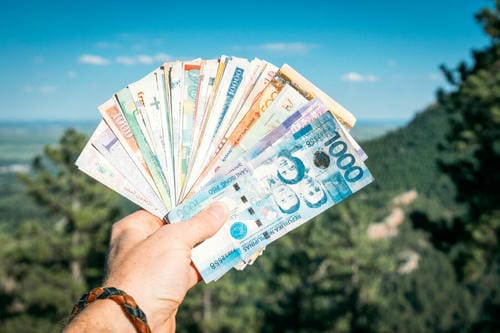
When most people think about travel, the first thought that comes to mind is cost — how much a plane ticket costs, how expensive accommodations will be, and how quickly discretionary money disappears on activities. Yet the act of planning travel forces a level of financial intention that many do not practice in daily life. Traveling — whether for a weekend getaway or an extended international trip — requires budgeting, prioritization, forecasting, and trade-offs. These are the same foundational practices recommended by financial planners and budgeting experts when managing long-term finances, yet they often remain underdeveloped until someone has a compelling reason to save and allocate money with specificity. The result is that travel becomes a practical exercise in intentional spending, one that builds financial discipline through real-world decisions rather than abstract budgeting guidelines.
The Discipline of Planning and Prioritizing Money Through Travel
To prepare for travel, individuals must set specific goals, estimate costs, and determine how much they need to save. This often requires looking beyond high-level budgeting into granular categories such as transportation, lodging, meals, activities, and miscellaneous incidentals. Such detailed planning compels travelers to distinguish between essential and discretionary expenses, a mental exercise that translates directly into better personal finance habits. Travelers learn to make trade-offs — choosing a slightly less expensive hotel to afford a unique cultural experience or opting for street food rather than sit-down restaurants to preserve funds for activities — which cultivates a nuanced understanding of value versus cost. This budgeting discipline is akin to the principles outlined by mental accounting frameworks in consumer behavior research, where categorization and planned allocation of funds can improve financial outcomes and self-control.
Beyond setting an initial budget, travel plans often include contingency funds for unexpected expenses, such as unforeseen transportation delays, last-minute excursions, or currency fluctuations. This practice — setting aside a buffer — reinforces the broader financial habit of maintaining an emergency fund. Travelers who experience the security that comes from having a financial cushion while abroad understand more deeply why having a reserve is critical back home. It reduces stress, preserves financial stability, and enables better decision-making under uncertainty. Studies show that the ability to anticipate, plan for, and handle unexpected financial events is a key predictor of long-term financial resilience, a lesson that travel repeatedly embeds through practice rather than abstract advice.
Perhaps most importantly, travel requires prioritizing — a skill sorely missing in many people’s daily financial habits. Prioritization means deciding what matters most and directing limited resources accordingly. Travelers often have to choose between competing desires: a museum pass or a local cooking class, a guided tour or free exploration on foot. These decisions force reflection on personal values and what kinds of experiences deliver satisfaction, fulfillment, or growth. In many cases, travelers find themselves allocating funds toward experiences that they perceive as uniquely valuable, which in turn reshapes their broader spending expectations and priorities. Research on consumer spending demonstrates that spending on experiences — of which travel is a prime example — yields more lasting happiness than purchases of material goods. [1]
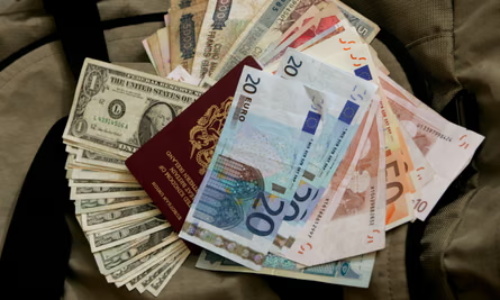
This shift in perspective is significant. Rather than instinctively buying things that depreciate or have limited emotional impact, travelers begin to evaluate money through the lens of experiences that expand worldview, build memories, and cultivate connection. Over time, this reframing leads to more deliberate and psychologically rewarding spending habits, ones that support purposeful living instead of passive consumption.
Experiences, Happiness, and the Redefinition of Money Value
Travel’s most potent lesson about money is not merely mechanical financial planning; it is the redefinition of what “value” means in life. For many, value has been socially and culturally tied to accumulation — more money, a bigger house, newer car, or luxury goods. Yet travel fundamentally challenges this assumption by demonstrating that memorable experiences often matter more than tangible possessions in shaping long-term satisfaction and happiness. Research into consumer behavior and happiness economics confirms this pattern: when individuals spend money on experiences rather than material items, they tend to report greater happiness, emotional satisfaction, and lasting mental well-being. [2]
This phenomenon exists for several reasons. First, experiences tend to become interwoven with personal identity and memory in a way that material goods do not. A scenic hike, a cooking class in a foreign city, or a night spent under unfamiliar stars becomes part of an individual’s narrative — something they recall, share, and integrate into their personal growth. In contrast, material possessions often provide only momentary pleasure, after which adaptation or habituation dulls their emotional impact. Studies in psychology show that experiential purchases provide more substantial happiness both in anticipation and in retrospective reflection. The anticipation of booking a trip increases joy long before departure, and reminiscing about that trip sustains happiness long after the journey ends.
Second, travel exposes individuals to diverse ways of living and cultural values, prompting them to question assumptions about what constitutes a meaningful life. Exposure to communities that live with significantly fewer material possessions yet report high levels of contentment encourages travelers to rethink the relationship between material wealth and happiness. As travelers immerse themselves in different social norms and lifestyles, they often adopt a more minimalist mindset, appreciating simplicity and experience over possessions. This shift is not merely anecdotal; it aligns with broader research into spending patterns and well-being, which suggests that money directed toward experiential engagement — such as travel, cultural participation, and social activities — enhances emotional and psychological fulfillment more than spending on objects. [3]

This redefinition of value also emerges from travelers’ own evolving priorities. Surveys of travelers consistently reveal that many are willing to reduce discretionary spending in everyday life — such as dining out, subscription services, or purchasing new gadgets — in order to save for their next trip. According to industry research, a strong majority of travelers place a higher value on travel experiences than on consumer goods, with many willing to alter lifestyle spending to fund future travel rather than other indulgences.
These changes in priorities have practical implications for how individuals manage their finances outside of travel. Once experiences become the benchmark for measuring value, discretionary spending often becomes more intentional. People think twice before buying something that provides fleeting enjoyment, instead asking whether the expenditure contributes to lasting satisfaction or personal growth. This mental reframing — viewing money as a tool to support meaning rather than merely accumulation — aligns closely with modern financial advice that encourages “conscious spending,” a concept where individuals consciously allocate funds toward what brings the most personal fulfillment.
Another dimension of travel’s influence on money thinking emerges from psychological research on human well-being. When travelers invest in experiences that involve nature, social connection, or creative engagement, the emotional returns are often profound. Spending on activities that deepen connection with others — group meals, guided tours, workshops, or community experiences — multiplies joy and creates social bonds that extend beyond the trip itself. The positive emotional effects of such spending are supported by research indicating that shared experiences strengthen relationships and enhance collective memory, which contributes to deeper life satisfaction.
Finally, travel teaches lessons about risk, opportunity cost, and life priorities that are seldom gained through routine financial habits. Deciding to allocate time and money toward travel involves weighing the opportunity cost of other uses of those resources. The realization that time — a nonrenewable resource — has intrinsic value often prompts travelers to view travel as an investment in life fulfillment rather than a mere expense. This perspective helps people balance saving for the future with living meaningfully in the present, a dynamic that is crucial for sustainable financial well-being.
In essence, travel reshapes the “money story” that so many people carry — inviting a shift from a mindset of hoarding and consumption to one of intentional use, experiential value, and meaningful prioritization. Over time, these lessons integrate into daily financial habits, improving not only budgeting and savings but also the deeper emotional and psychological relationship individuals have with their money.
Sources:
[1]: https://neurosciencenews.com/experience-possession-happiness-15881
[2]: https://travel-psych.com/money-happiness-and-the-joy-of-travel-an-in-depth-analysis
[3]: https://www.blacktomato.com/inspirations/experiences-not-possessions
[4]: https://www.tripadvisor.com/business/insights/uncategorized/resources/the-experience-of-travel-why-travel-is-so-much-more-than-a-trip
References:
https://trybeem.com/blog/travel-spending-increases-happiness
https://howtoplanyourtrip.com/en/travel-budgeting-tips/unpacking-the-psychology-of-frugality-how-your-mindset-shapes-your-travel-experience.htm
https://centuryfinances.com/how-traveling-helped-me-reevaluate-my-financial-priorities
RECOMMEND FO YOU